

Living in a digital age, businesses are facing the challenge of having to track more information about physical and technical assets than ever before. Furthermore with the overflowing of mobile devices and complex technologies in the workplace, asset management has reached new highs of complexity.Asset tracking and management are an essential part of businesses across the globe. Not tracking your business’s assets exposes you to various potential financial losses and even legal issues. However, asset tracking isn’t always a simple task. This is where the asset management software steps into the picture of helping businesses enhance asset management’s visibility and effectiveness, aiming for optimal utilization while reducing IT and software costs.
What is asset management software?
An asset management software shines in support of tracking and management of physical assets.
Vehicle fleets, heavy machinery, and factory production equipment are all those type of assets. If you want to learn more about physical assets, “Investopedia” has a great article on the subject. You can find it here.
With the object of making the most favorable decisions when managing assets, you will find real-time data to be absolutely crucial. An asset management software fills that need by helping you monitor and track them with an immediate response when a problem occurs.
This feature can help you prevent potential breakdowns and failures by fixing them before they escalate further. Simply put, asset management software is an application used to track and manage an asset throughout its life cycle from procurement to its disposal. Information like certain assets’ location, how they are being utilized, and quality in-depth information about the assets are some benefits software can provide businesses with.
How to choose the best asset management software?
The right AM software has the capability of increasing your company’s efficiency and overall growth. However, choosing the right one could be a big hassle, especially if you are not certain of what you are looking for. Here are 3 steps to help you choose the right AM software for your business.
1. Know your business needs!
Understanding the needs of your business is the first and most important step when choosing an AM software. Knowing when to take the next step is also a crucial part of the selection process. If your business doesn’t own many fixed assets, the traditional spreadsheet might still be good enough for you. On the other side, if the company is growing rapidly and you are experiencing a significant increase in the fixed assets, then it might as well be the time to get rid of the spreadsheet and look for an asset management software.
Dive deep into understanding the specific requirements a software has to solve for you before going on the search for one. Understanding the business needs on a user level is key to picking the right solution. In the long run, they are the ones who will be most affected and probably the best to know if the chosen AM software will fulfill all the requirements.
2. Functions to look for:
Real-time reporting
It allows asset-intensive businesses, such as manufacturing, transportation, and healthcare, to track physical assets and monitor their condition and usage without delay. These asset tracking systems integrate with ERP, MES, or similar to aid companies in achieving full asset flow transparency, increasing the return of asset (ROA), and maximizing asset utilization.
Benefits:
- Asset performance data analysis
- Sensor-based asset monitoring
- Asset utilization and availability monitoring
- Instant asset location
- Tracking asset warranty dates and maintenance schedule
Mobile app
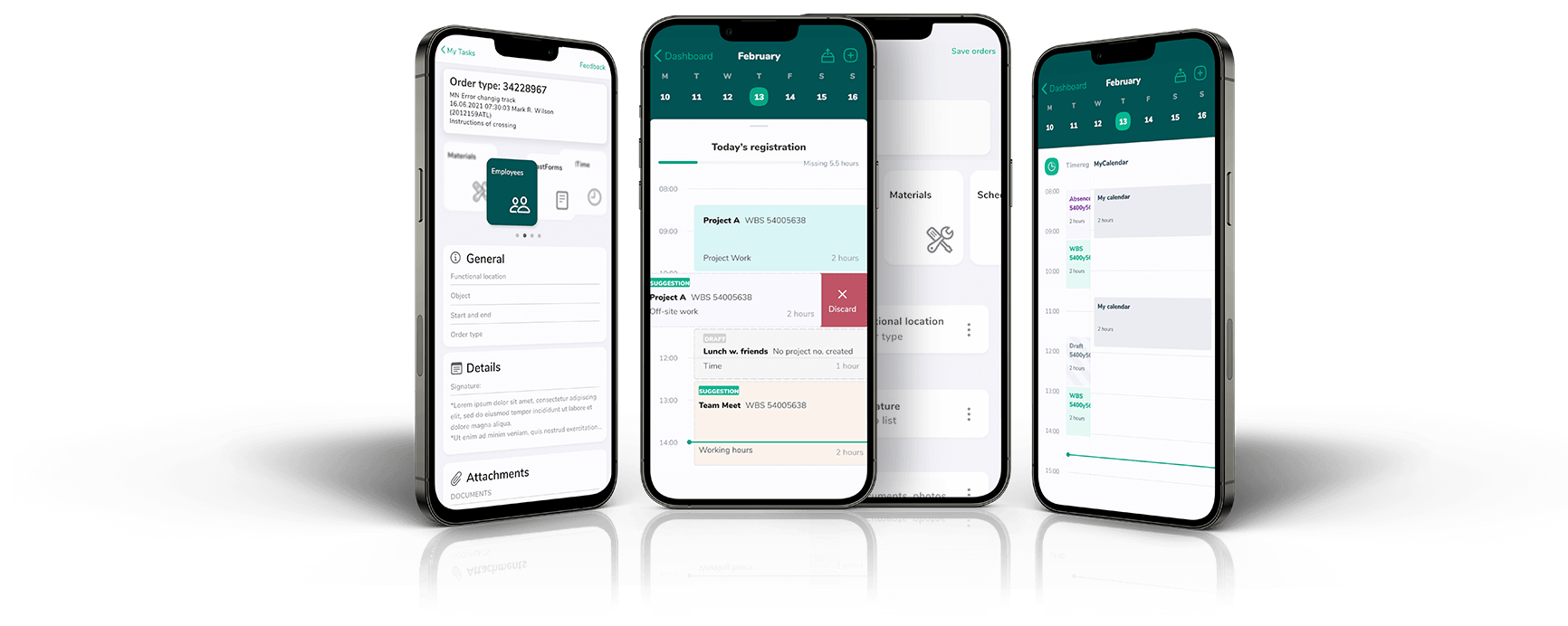
Mobility is essential for fieldworkers; a great asset management software should have mobile compatibility. Accessing the software on the go with real-time asset management data can be highly beneficial for you and your employees, and it allows you to manage your assets everywhere at any time. Editing assets, checking dates, and managing roles, access, and permissions are necessary features a mobile should provide you with.
Customizable
Customizable asset management software is the go-to option for the long run. It gives you the freedom to adapt many aspects of the chosen software according to your requirements. Adding custom features such as setting your categories, fields, and analytics to your AM system is really important. Doing so will give you a unique and more transparent view of your assets’ performance. Also, ensuring the software is scalable and works with your future plans for IoT integration will go a long way.
Support
Even if you have chosen the best software on the market, you still can’t be assured of not running into issues. Providing high-quality customer support will be essential to help you avoid any unplanned downtime.
A small tip:
Make sure you are comfortable reaching the software’s customer support team before making the final decision. Even testing out the responsiveness and quality of support beforehand might be an excellent way of safeguarding your decision.
User friendly
A user-friendly asset management software will make the adoption process easier while offering results much faster than a more complex one which could take up to several months to master.
The simpler the application, the more effective it is for the fieldworkers. The change process will be smoother and make your change management team’s lives much easier.
3. Involve the users

Fieldworkers are the people who will mainly be working with any software you decide to purchase. Take into account that the goal of the software is not only to provide you with a better overview of the assets but help you increase your employees’ efficiency. The software users are the ones whose needs the system is supposed to solve; therefore, they deserve a say in the decision-making process.